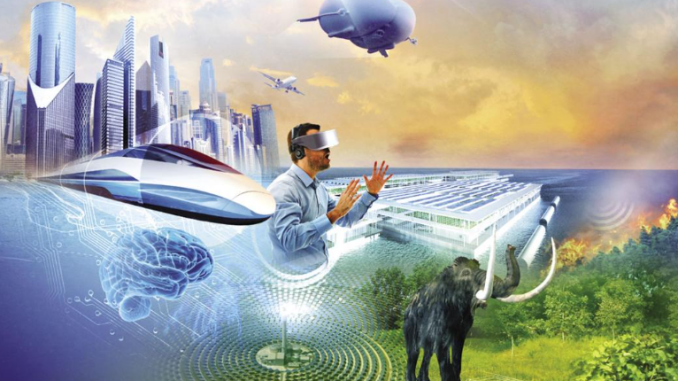
As we advance further into the 21st century, technological innovation continues to accelerate at an unprecedented pace, reshaping industries, economies, and daily life. Here’s a look at the latest technological innovations that are set to revolutionize the future:
- Artificial Intelligence (AI) and Machine Learning (ML): AI and ML are at the forefront of technological innovation, driving advancements across various sectors. AI-powered applications in healthcare, such as predictive diagnostics and personalized treatment plans, are transforming patient care. In finance, AI algorithms enhance fraud detection, automate trading, and personalize banking experiences. Additionally, AI is revolutionizing customer service with chatbots and virtual assistants, improving efficiency and user satisfaction.
- Quantum Computing: Quantum computing promises to solve complex problems beyond the reach of classical computers. By leveraging the principles of quantum mechanics, these computers can perform calculations at unprecedented speeds. Quantum computing has the potential to revolutionize cryptography, materials science, drug discovery, and optimization problems, unlocking new possibilities in scientific research and industry applications.
- 5G Technology: The rollout of 5G networks is set to revolutionize connectivity with ultra-fast speeds, low latency, and high bandwidth. 5G technology will enable advancements in IoT, autonomous vehicles, smart cities, and augmented reality (AR)/virtual reality (VR) applications. Enhanced connectivity will drive innovations in remote healthcare, smart manufacturing, and immersive entertainment experiences.
- Internet of Things (IoT): IoT continues to expand, connecting devices and systems to create smart environments. Smart homes with connected appliances, lighting, and security systems are becoming more prevalent. In industrial settings, IoT-enabled sensors and devices optimize operations, predictive maintenance, and supply chain management. IoT also plays a crucial role in smart city initiatives, enhancing urban living through efficient resource management and data-driven decision-making.
- Augmented Reality (AR) and Virtual Reality (VR): AR and VR technologies are transforming how we interact with digital content. AR enhances real-world environments with digital overlays, offering applications in education, training, retail, and navigation. VR creates immersive experiences for gaming, virtual tours, remote collaboration, and therapeutic applications. The integration of AR and VR into various industries enhances user experiences and drives innovation in digital interaction.
- Blockchain and Decentralized Technologies: Blockchain technology is revolutionizing secure and transparent transactions across industries. Beyond cryptocurrencies, blockchain applications include supply chain management, digital identity verification, and decentralized finance (DeFi). Smart contracts on blockchain platforms automate agreements, reduce intermediaries, and enhance efficiency in various sectors, from legal to logistics.
- Autonomous Vehicles: Advancements in autonomous vehicle technology are set to transform transportation. Self-driving cars, trucks, and drones are being developed for safer and more efficient travel. Autonomous vehicles promise to reduce traffic accidents, lower transportation costs, and improve mobility for individuals with disabilities. The integration of AI, sensors, and connectivity is key to the success of autonomous transportation systems.
- Biotechnology and Genomics: Biotechnology innovations, such as CRISPR gene editing, are revolutionizing healthcare and agriculture. Precision medicine, tailored to an individual’s genetic makeup, is becoming a reality, improving treatment outcomes. In agriculture, genetically modified crops enhance yield, pest resistance, and nutritional value. Biotechnology holds the potential to address global health challenges and food security issues.
- Renewable Energy Technologies: Advancements in renewable energy technologies are driving the transition to a sustainable future. Solar panels, wind turbines, energy storage systems, and smart grids are improving energy efficiency and reducing reliance on fossil fuels. Innovations in renewable energy sources and energy management systems contribute to environmental sustainability and resilience in the face of climate change.
- Robotics and Automation: Robotics and automation technologies are transforming industries by enhancing productivity and precision. In manufacturing, collaborative robots (cobots) work alongside humans, improving efficiency and safety. Automated systems in logistics and warehousing streamline operations and reduce costs. Robotics also play a vital role in healthcare, assisting in surgeries and providing care for the elderly and disabled.
In conclusion, these technological innovations are set to shape the future, driving progress and creating new opportunities across industries. By embracing these advancements, we can unlock new possibilities, enhance quality of life, and address global challenges, paving the way for a brighter and more connected future.